
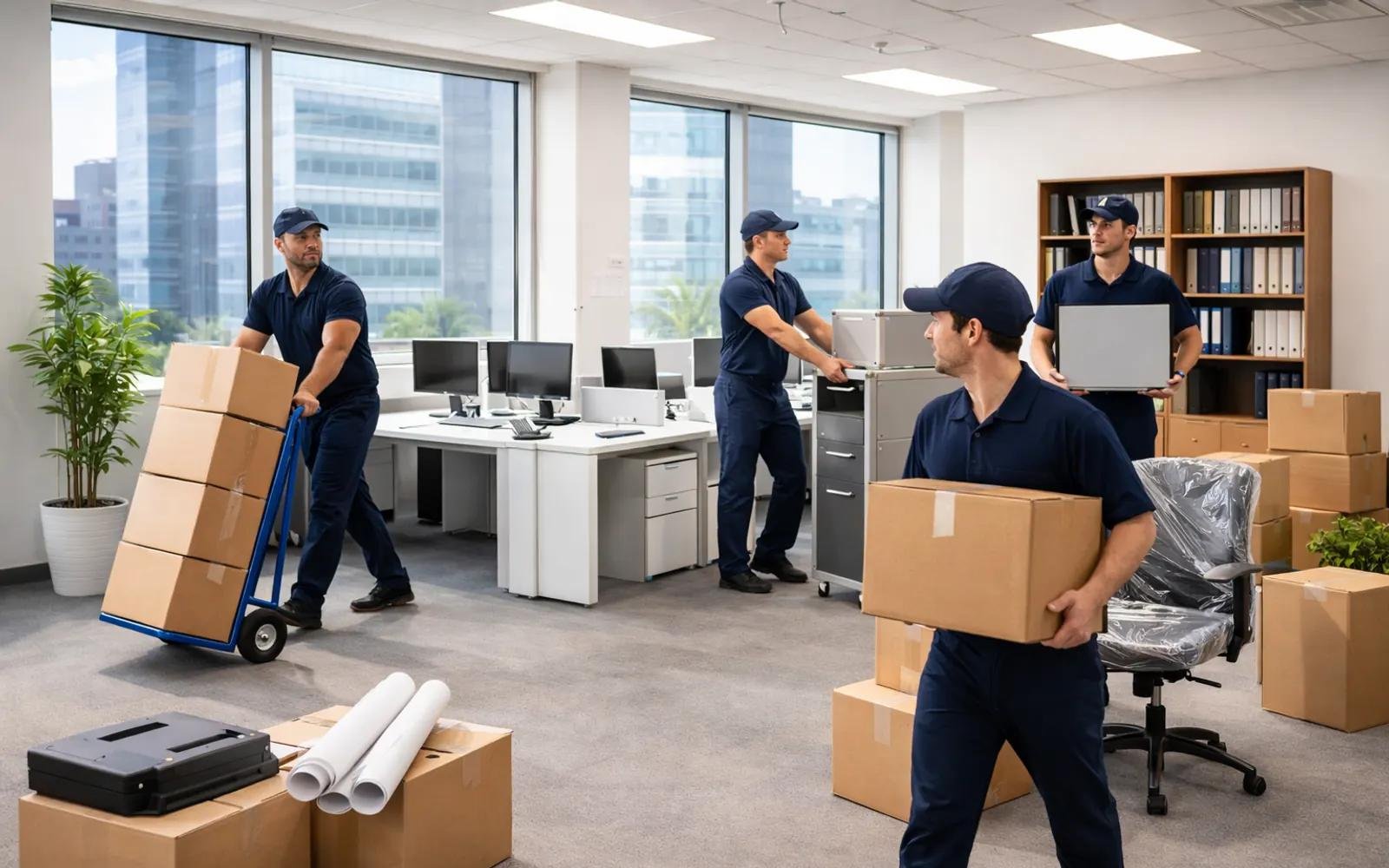
Moving a home and relocating an office may involve similar tasks, but each requires a different approach. A home move focuses on personal belongings and family needs, while an office relocation involves equipment, documents, employees, and business operations. Understanding these differences can help you plan a more efficient move. Planning a Home Relocation Moving to a new home can be a major life change. Begin by creating a moving checklist and deciding which belongings you want to take with you. Important Home Moving Tips A clear plan can help your family settle into the new space more comfortably. Planning an Office Relocation Office relocation requires careful coordination to minimize disruption to daily business activities. Before moving, identify the equipment, furniture, and documents that need to be transported. Important Office Moving Tips Good communication and organization can help your team return to work more efficiently. Key Differences Between Home and Office Moving Home moves usually involve personal belongings, household furniture, and family schedules. Office moves often require additional coordination for technology, confidential records, employee responsibilities, and business continuity. Both types of relocation benefit from early planning, suitable packing materials, and careful transportation arrangements. Choose the Right Moving Plan Before selecting a moving service, consider the size of your move, the distance to your destination, the number of items, and any special handling requirements. Request clear information about the available services and costs so you can make an informed decision. Make Your Relocation Easier with MoversLoader Whether you are moving your family to a new home or planning a new office space, preparation is the key to a successful relocation. MoversLoader is focused on helping customers make moving more organized and manageable. Plan ahead, stay organized, and make your next move a fresh start!
The Ultimate Guide to Packing Your Belongings Safely
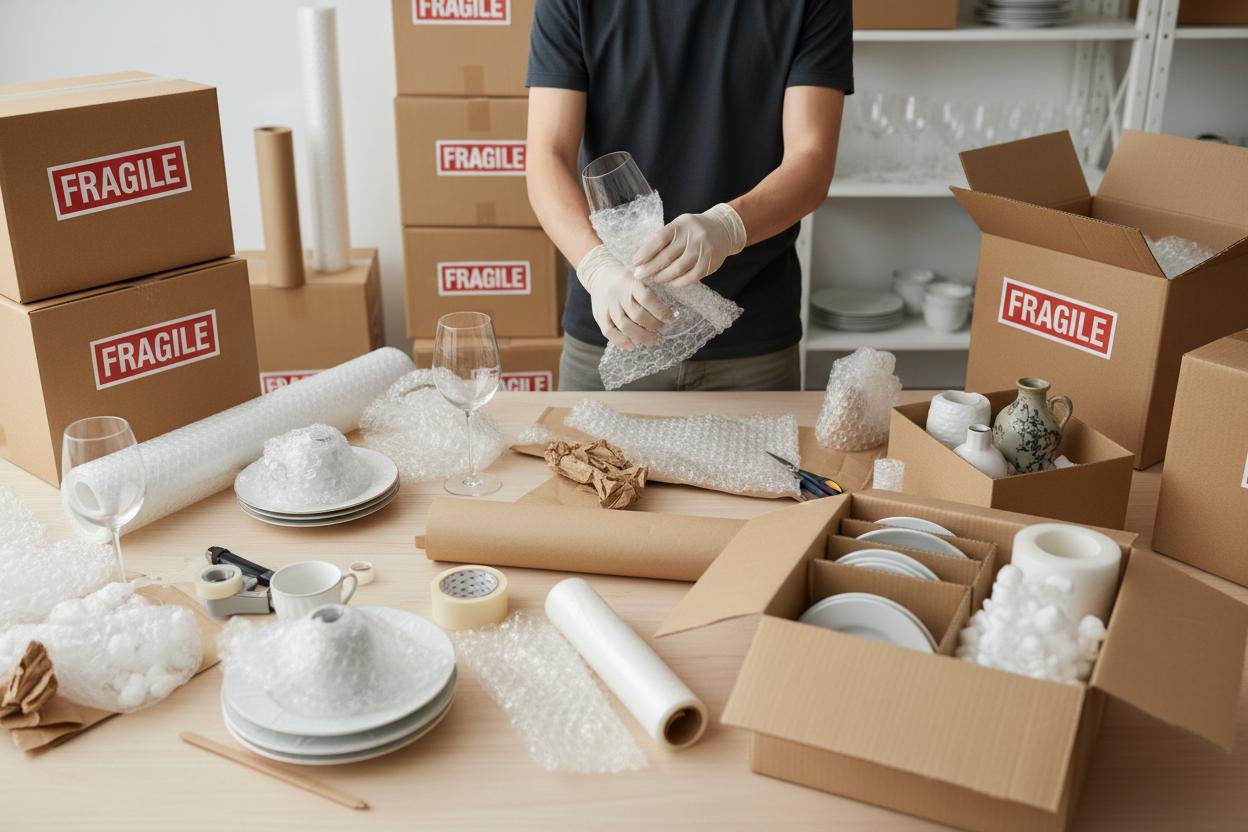
Packing is one of the most important parts of any move. Proper packing helps protect your belongings from scratches, breakage, and other damage during transportation. Whether you are moving to a new home or relocating an office, using the right techniques can make a big difference. Choose the Right Packing Materials Start with sturdy cardboard boxes, packing tape, bubble wrap, packing paper, and protective covers. Select box sizes according to the weight and type of items you are packing. Pack One Room at a Time Focus on one room before moving to the next. This approach helps keep your belongings organized and makes unpacking easier at your new location. Protect Fragile Items Wrap plates, glasses, mirrors, and decorative objects individually. Fill empty spaces inside boxes with cushioning material to prevent items from shifting. Pack Heavy Items Carefully Place heavier items in smaller boxes and lighter items in larger boxes. Avoid overfilling boxes, as they can become difficult to lift and may break. Keep Electronics Safe If possible, use the original packaging for televisions, computers, and other electronics. Remove loose accessories and label cables to make setup easier after the move. Protect Your Furniture Cover sofas, tables, chairs, and other furniture with suitable protective blankets or covers. Secure removable parts separately and keep screws in labeled bags. Label Boxes Clearly Write the destination room and a brief description of the contents on each box. Mark fragile boxes clearly so they can be handled with extra care. Consider Your Storage Needs If you cannot move everything into your new space immediately, consider a suitable storage solution. Make sure stored belongings are clean, dry, and protected from moisture. Prepare an Inventory List Keep a simple list of packed boxes and valuable items. An inventory helps you track your belongings and check that everything arrives at the destination. Pack with Confidence with MoversLoader Safe packing requires preparation, the right materials, and careful handling. Following these practical steps can help protect your belongings throughout the moving process. MoversLoader aims to make relocation more manageable by helping you prepare for an organized move. Pack carefully, protect what matters, and make your next move a smooth experience!
10 Essential Tips for a Stress-Free Move
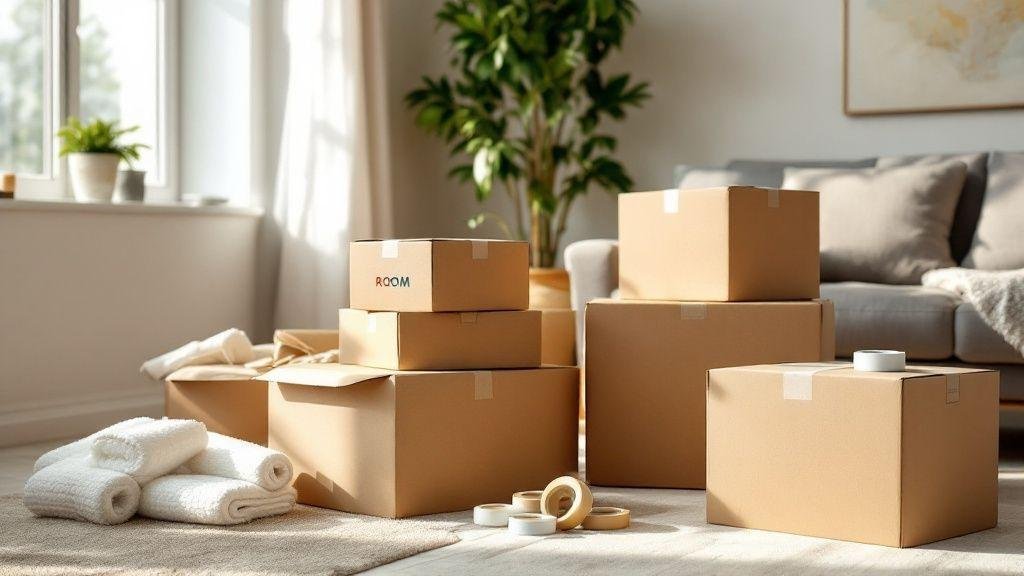
Moving to a new home can be an exciting experience, but without proper planning, it can quickly become stressful. From packing your belongings to organizing transportation, every step requires attention. With the right preparation, you can make your moving day easier and more organized. 1. Plan Your Move Early Start planning your move several weeks in advance. Create a checklist of important tasks, including packing, booking movers, and updating your address. 2. Declutter Before Packing Moving is a great opportunity to get rid of items you no longer need. Donate, recycle, or discard unwanted belongings to reduce the number of boxes you need. 3. Create a Moving Checklist Write down everything you need to complete before moving day. A checklist helps you stay organized and avoid forgetting important tasks. 4. Use Quality Packing Supplies Choose strong cardboard boxes, packing tape, bubble wrap, and protective materials to keep your belongings safe during transportation. 5. Label Every Box Clearly label each box with its contents and destination room. This makes unloading and unpacking much easier. 6. Protect Fragile Items Wrap glassware, electronics, and delicate decorations carefully. Use cushioning materials to minimize the risk of damage. 7. Pack an Essentials Box Keep important items such as toiletries, chargers, documents, medications, and a change of clothes in a separate box that is easy to access.